Michael Bunting sits down with organisational psychologist Bryn Edwards to explore why leaders must think in systems, revealing how understanding deeper patterns creates healthier, more adaptive organisations.

Michael Bunting sits down with organisational psychologist Bryn Edwards to explore why leaders must think in systems, revealing how understanding deeper patterns creates healthier, more adaptive organisations.
Michael Bunting sits down with leadership consultant Paul Sweeney to challenge common assumptions about workplace culture, revealing why lasting transformation requires honesty, accountability, and behavioural change.
Michael Bunting and Dr Alis Anagnostakis explore what drives lasting leadership growth—unpacking adult development research, edge emotions, the awareness–action gap, and why curiosity transforms pressure into progress.
Michael Bunting and Sanofi GM Ahmed Moussa explore how to lift engagement while growing revenue—balancing tough and nice, practising weekly reflection, and owning your Red Zone to drive performance without sacrificing wellbeing.
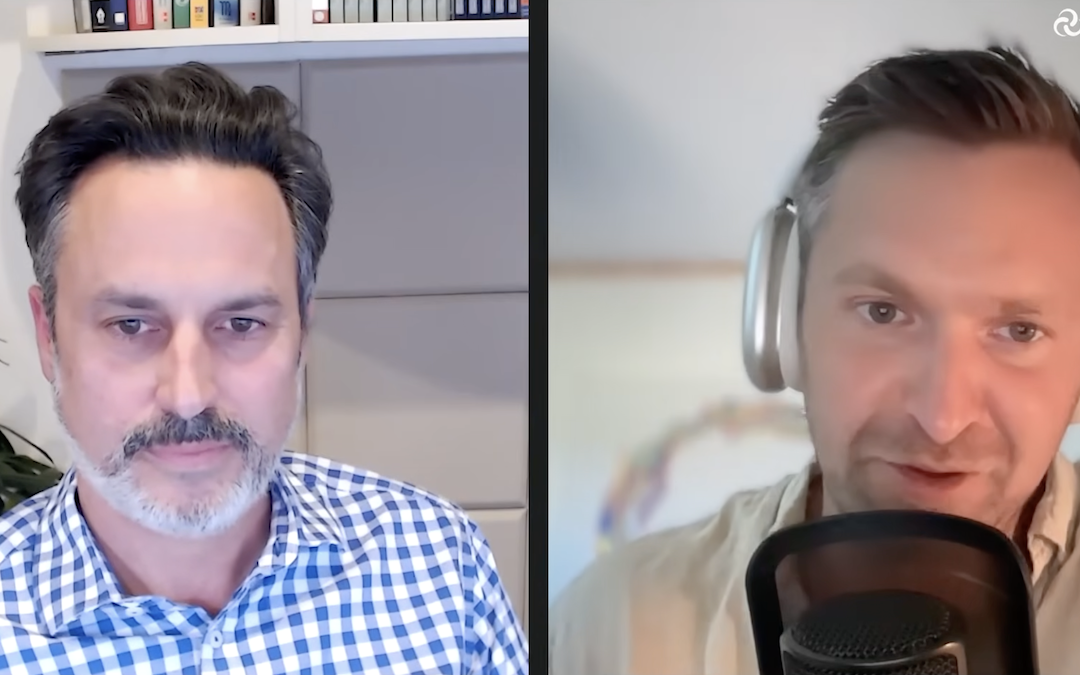
Michael Bunting and Fame CEO Tom Hunt explore what it takes to lead a fully remote team through repeated failure, stay grounded in curiosity, embrace “I know nothing,” and balance relentless growth with new fatherhood.

Developing leaders without changing performance conditions erodes trust and results. Insight alone doesn’t shift execution. Real growth links behaviour directly to outcomes that matter.
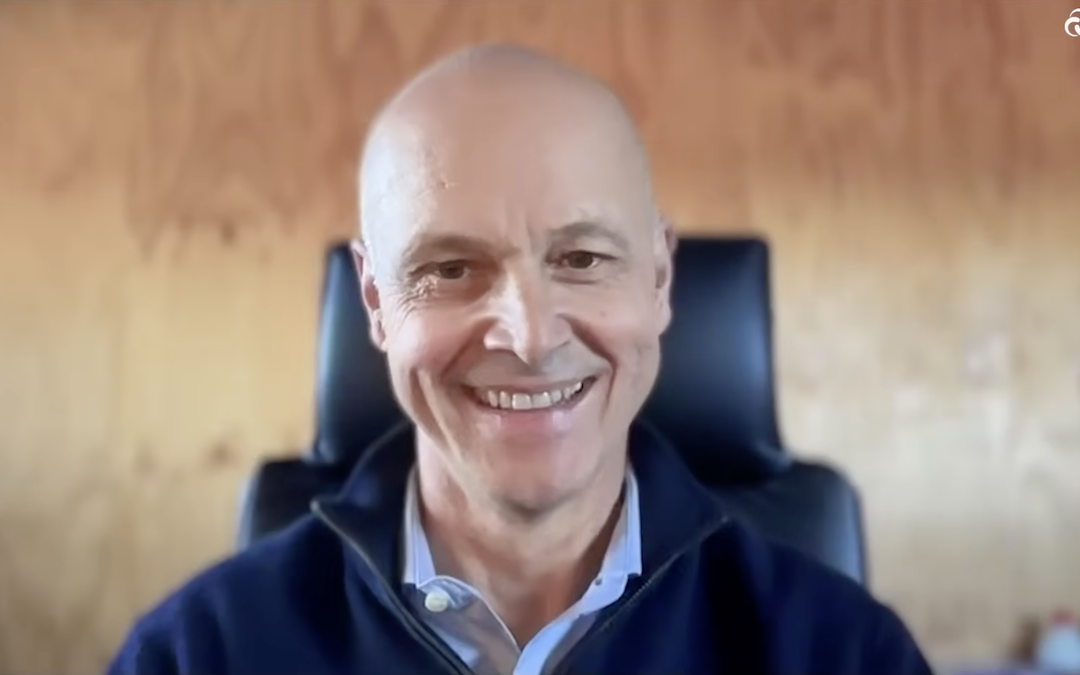
Michael Bunting and Kinyara Health CEO Norbert Walther challenge the belief that high standards require harsh self-criticism, exploring the emotional work of leadership and the shift from self-judgment to conscious, values-aligned achievement.

High performance is not built on ease or distance. It is built on disciplined alignment—clear expectations, regular check-ins, visible follow-through. Leaders who pull back from that discipline create drift.
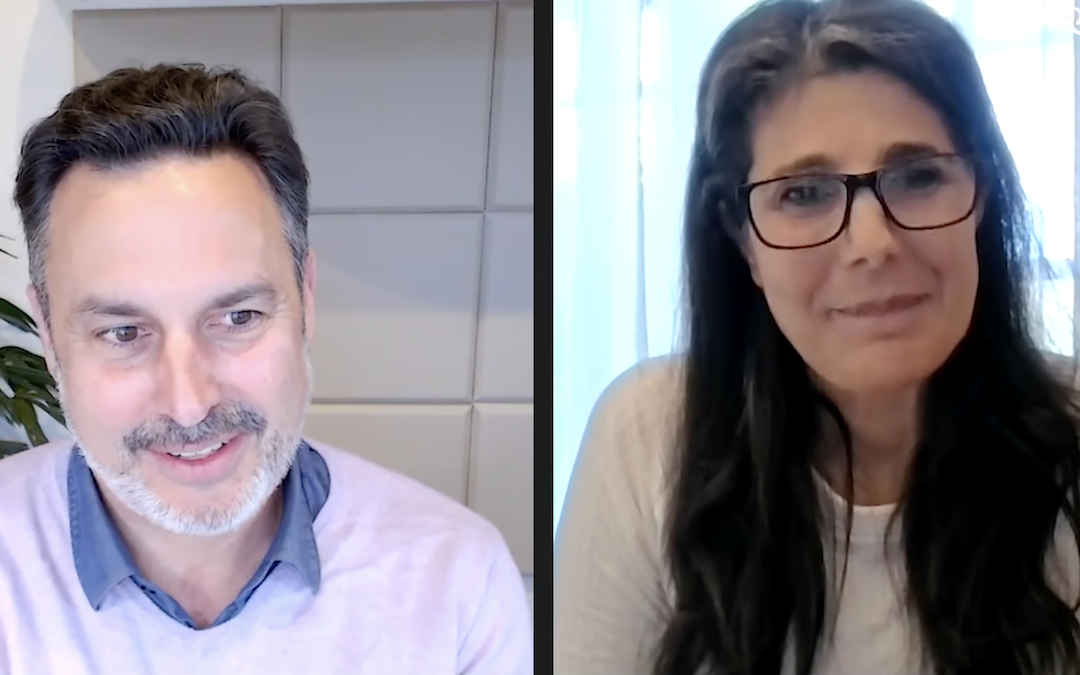
Michael Bunting and Nathalie McNeil, VP and General Manager of ANZ at AbbVie reveals how true leadership transformation begins with radical self-ownership and the courage to face uncomfortable truths about ourselves.

When you hide behind “professionalism,” your team feels distance. When you overshare, they feel instability. Real trust forms when you’re steady enough to be honest without offloading your emotion.